
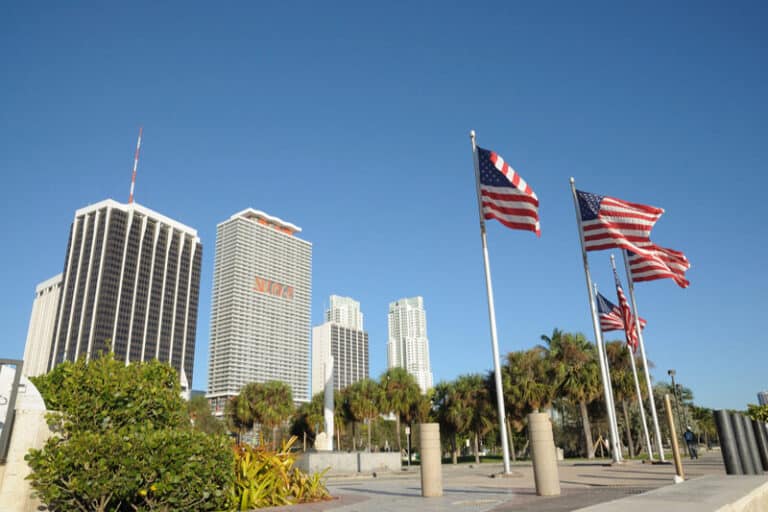
Denver’s Trusted Flagpole Installation Experts
Flying a flag is more than a display of pride. It’s a statement. Whether you’re a homeowner looking to honor veterans in your family or a business wanting to make a strong first impression, a properly installed flagpole makes all the difference. But here’s the thing: flagpole installation isn’t as simple as digging a hole and dropping in a pole. Done wrong, you’re looking at a leaning eyesore at best, or a safety hazard at worst.
At AC Flag & Banner, we’ve been helping customers across the Denver metro area and beyond with flagpole installation for over 21 years. What started as a small family-owned business has grown into one of the region’s most trusted sources for flags, flagpoles, and professional installation services. We’ve worked with everyone from homeowners wanting a simple backyard setup to Fortune 500 companies needing massive commercial installations. And through it all, we’ve learned that quality materials and expert installation are what separate a flagpole that lasts decades from one that becomes a problem within a few years.
Key Takeaways
- Professional flagpole installation ensures structural integrity, proper wind-load ratings, and compliance with Denver building codes and permits.
- Residential flagpoles typically range from 15 to 30 feet, while commercial installations can reach 80 feet or more with engineered foundations.
- Colorado’s intense winds, UV exposure, and temperature swings require durable materials like anodized aluminum or galvanized steel for long-lasting performance.
- Proper site assessment considers visibility, setbacks from structures, power line clearance, and ground conditions before installation begins.
- Annual inspections and routine maintenance—including rope replacement and hardware lubrication—keep your flagpole safe and operating smoothly for decades.
- AC Flag & Banner has over 21 years of experience as Denver’s trusted flagpole installation experts, serving both residential and commercial properties.
Why Professional Flagpole Installation Matters
You might be tempted to tackle flagpole installation as a DIY project. We get it. But there’s a reason experienced installers exist, and it goes beyond just having the right equipment.
Structural Integrity and Safety
A flagpole isn’t just a tall metal tube. It’s an engineered structure that needs to withstand significant forces, especially here in Colorado where wind gusts can be intense and unpredictable. Professional installation ensures your pole has the proper foundation depth, correct anchoring, and appropriate wind-load rating for your specific location.
When we install a flagpole, we’re thinking about:
- Foundation specifications matched to pole height (a 30-foot pole needs a very different footing than a 15-foot one)
- Wall thickness and material quality of the pole itself
- Hardware durability including halyards, trucks, and cleats
- Proper plumbing so your pole stands perfectly vertical
A poorly installed flagpole can lean over time, suffer cable failures, or in extreme cases, collapse entirely. We’ve seen poles damage cars, fences, and even come dangerously close to hitting people. Professional installation eliminates these risks.
Local Building Codes and Permits
Denver and surrounding municipalities have specific requirements for flagpole installations. Height limits, setback requirements, foundation specifications, and wind/seismic codes all come into play. For commercial properties, the permitting process can be even more complex.
We handle all of this for our customers. We know which permits are needed, how to submit proper documentation, and what inspectors are looking for. This isn’t just about following rules: it’s about protecting your investment and ensuring your installation is legally compliant. The last thing you want is a city inspector telling you to remove a flagpole you just paid to have installed.
Types of Flagpoles for Denver Properties
Not all flagpoles are created equal, and the right choice depends on your property type, budget, and specific needs. Here’s what we typically recommend for different situations.
Residential Flagpole Options
For homes in the Denver area, we usually suggest aluminum ground-set poles in the 15 to 30-foot range. These offer a good balance of visibility and proportion for residential properties without overwhelming your landscape.
Popular residential choices include:
- External halyard poles where the rope is visible on the outside (more affordable and easier to maintain)
- Internal halyard poles where the rope runs inside the pole (cleaner look and added security against flag theft)
- Sectional poles that can be taken down for storage or moved if needed
Placement options vary too. Some homeowners prefer a prominent front yard installation visible from the street. Others opt for backyard placements near patios or pools. We’ve even installed poles along driveways and near property entrances for that welcoming touch.
Commercial and Institutional Flagpoles
Commercial installations are a different animal entirely. We’re typically looking at poles ranging from 30 to 80 feet, though landmark locations sometimes call for 100 feet or more. These installations often feature:
- Steel or heavy-gauge aluminum construction for maximum durability
- Multiple halyards for flying several flags simultaneously
- Lighting systems (solar-powered or hardwired) for 24/7 display
- Engineered foundations with detailed shop drawings
- Large concrete footings designed for specific soil conditions
We’ve installed flagpoles for corporate campuses, car dealerships, government buildings, schools, and sports facilities throughout Colorado. Each project has its own requirements, and we work closely with property managers and facilities teams to ensure everything meets their specifications.
The Flagpole Installation Process
So what actually happens when you hire professionals for flagpole installation? Here’s a breakdown of our typical process.
Site Assessment and Planning
Before anything else, we evaluate your property. We’re looking at soil conditions, proximity to structures and utilities, visibility from key vantage points, and access for our equipment. This isn’t a quick glance: it’s a thorough assessment that informs every decision that follows.
Utility Locates
This step is non-negotiable. Before any digging happens, we coordinate with utility companies to mark underground gas, electric, water, and communication lines. Hitting a buried utility isn’t just dangerous: it’s expensive and can disrupt service to your neighbors.
Permitting
If permits are required (and they often are for commercial installations or taller residential poles), we handle the paperwork. We submit applications, provide necessary documentation, and schedule inspections as needed.
Foundation Work
The foundation is everything. We excavate to the proper depth, install a concrete foundation with a ground sleeve, and ensure everything is level and properly cured before proceeding. Depending on pole height, foundations can range from a few feet deep to six feet or more.
Pole Installation
Once the foundation is ready, we set the pole, carefully plumbing it to ensure it’s perfectly vertical. We then attach all hardware: the truck assembly at the top, halyard rope or cable, ornamental ball or eagle, and cleat at the base.
Final Touches
We install any lighting, test the halyard system, attach your flag, and make sure everything operates smoothly. We also walk you through basic operation and maintenance before we leave.
The whole process typically takes one to two days for residential installations, longer for commercial projects with larger foundations or multiple poles.
Choosing the Right Location on Your Property
Location matters more than most people realize. A poorly placed flagpole can create ongoing headaches, while a well-chosen spot enhances your property for years to come.
Visibility is usually the primary concern. You want your flag seen, whether that’s from the street, a parking lot, or an entry point. But visibility needs to be balanced against practical considerations.
Setbacks from structures are critical. Your flag will move in the wind, and you need clearance to prevent contact with buildings, vehicles, fencing, or landscaping. A good rule of thumb: the flag should be able to fly freely in any wind direction without hitting anything.
Power line clearance is a safety must. Flagpoles and electrical lines don’t mix. We always ensure adequate distance from overhead utilities, both for initial installation and for future service access.
Service accessibility often gets overlooked. At some point, your pole will need maintenance, whether that’s a rope replacement, hardware repair, or inspection. We need to be able to get equipment close enough to work safely. That bucket truck has to reach your pole.
Ground conditions affect foundation requirements. Rocky soil, high water tables, or filled ground can all complicate installation and may influence the best placement on your property.
We help customers think through all these factors. Sometimes the obvious spot isn’t the best spot, and we’d rather have that conversation upfront than deal with problems later.
Weather Considerations for Colorado Flagpoles
Colorado weather is beautiful, but it’s not gentle on outdoor structures. Between high winds, intense UV exposure, temperature swings, and freeze-thaw cycles, flagpoles here take a beating that coastal or southern installations simply don’t experience.
Wind ratings are critical. The Front Range is known for sudden, powerful gusts that can exceed 60 mph, sometimes much higher in exposed locations. Every pole we install is rated for appropriate wind loads, and we factor in the specific conditions of your site. A pole that works fine in a sheltered courtyard might not be suitable for an exposed hilltop.
Material selection matters for our climate. We recommend anodized aluminum or galvanized steel poles that resist corrosion. Hardware should be stainless steel or similarly durable materials that won’t rust or seize up in our conditions.
UV degradation affects both poles and flags. While we can’t stop the sun, we can ensure your pole finish is designed to resist fading and degradation. And we always recommend quality flags that hold up better to UV exposure.
Temperature extremes cause expansion and contraction that can affect hardware over time. Proper installation accounts for this, using appropriate fasteners and allowing for thermal movement where needed.
At AC Flag & Banner, we’ve been installing flagpoles in Colorado long enough to know what works and what doesn’t. Our recommendations are based on real-world experience with local conditions, not generic guidelines from manufacturers in other climates.
Maintaining Your Flagpole After Installation
A well-installed flagpole should last for decades, but it won’t maintain itself. Regular attention keeps your pole looking good, operating smoothly, and standing safely.
Periodic inspections should happen at least annually, more often if your pole is in an exposed location or flies flags continuously. Look for:
- Fraying or worn ropes/cables
- Stuck or noisy sheaves (the pulley wheels)
- Loose cleats or hardware
- Signs of corrosion on fittings
- Any leaning or movement at the base
- Damage to the pole finish
Rope and cable replacement is the most common maintenance need. Halyards wear out over time, especially with heavy use or exposure to UV and weather. Plan on replacing ropes every few years, cables less frequently but they do eventually fatigue.
Lubrication keeps things operating smoothly. Sheaves, truck assemblies, and other moving parts benefit from periodic lubrication with appropriate products.
Flag replacement is part of maintenance too. A tattered, faded flag reflects poorly and can accelerate wear on your halyard system. We carry a full range of replacement flags, from standard US flags to state flags, military flags, and custom designs.
For commercial properties or customers who simply don’t want to deal with maintenance, we offer ongoing service programs. We’ll schedule regular inspections, handle repairs as needed, and keep your flagpole in top condition year-round.
Conclusion
A flagpole is an investment in your property and a visible statement of your values. Whether you’re a homeowner wanting to display the American flag or a business looking to make an impression, proper installation makes all the difference between a source of pride and an ongoing frustration.
We’ve been Denver’s trusted flagpole installation experts for over two decades, and we take that responsibility seriously. From initial site assessment through installation and ongoing maintenance, AC Flag & Banner provides the expertise, quality materials, and customer service that this kind of investment deserves.
Ready to add a flagpole to your property? Browse our selection of flagpoles and accessories online at acflagandbanner.com, or give us a call to discuss your project. We’re happy to answer questions, provide quotes, and help you find the right solution for your specific needs. Whether you’re in the Denver metro area or anywhere across the country (we ship nationwide), we’re here to help you fly your flag with confidence.
Frequently Asked Questions
Why should I hire a professional for flagpole installation in Denver?
Professional flagpole installation ensures proper foundation depth, correct anchoring, and appropriate wind-load ratings for Colorado’s intense gusts. Experts also handle local building permits and codes, preventing safety hazards like leaning poles or structural failures that can damage property or injure people.
How deep does a flagpole foundation need to be?
Foundation depth depends on pole height—a 30-foot pole requires a much deeper footing than a 15-foot one. In Denver, foundations typically range from a few feet to six feet or more, with specifications matched to soil conditions and local wind/seismic requirements for maximum stability.
What type of flagpole is best for residential properties?
For Denver homes, aluminum ground-set poles in the 15 to 30-foot range are ideal. Homeowners can choose external halyard poles for affordability, internal halyard poles for a cleaner look and theft prevention, or sectional poles that can be disassembled for storage or relocation.
How long does flagpole installation take?
Residential flagpole installation typically takes one to two days, including site assessment, utility locates, foundation work, and final setup. Commercial projects with larger foundations or multiple poles require more time depending on complexity and permitting requirements.
How often should I maintain my flagpole?
Inspect your flagpole at least annually—more often in exposed locations. Check for fraying ropes, stuck pulleys, loose hardware, corrosion, and any leaning at the base. Plan to replace halyard ropes every few years and lubricate moving parts periodically to ensure smooth operation.
Do I need a permit to install a flagpole in Denver?
Often, yes—especially for commercial installations or taller residential poles. Denver and surrounding municipalities have specific height limits, setback requirements, and foundation codes. A professional flagpole installation company handles permitting, documentation, and inspections to ensure legal compliance.
